Manuel Antonio Villar Highlights the Spiritual Value of the Camino de Santiago and the Growth of A Orixe
2026-10-08 17:25:10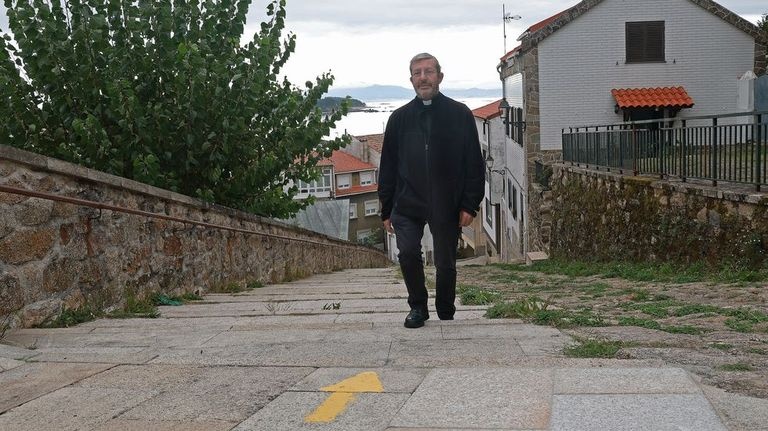
Manuel Antonio Villar, president of the Asociación de Amigos del Camino de Santiago A Orixe for the past three years, has been appointed pilgrimage delegate for the Diocese of Santiago de Compostela. The priest, originally from Palmeira, takes on this new responsibility with the aim of promoting the Camino routes and improving the welcome and assistance offered to pilgrims.
Villar has maintained a close connection with the Way of St. James since childhood. Although he was born in Palmeira, he grew up in Santiago de Compostela, where he also studied at the seminary. Over the years, he has walked several pilgrimage routes and played an active role in the creation and promotion of the Camino A Orixe.
The idea of developing this route, which connects the Corrubedo lighthouse with Obradoiro Square, emerged during a pilgrimage from Sarria. Its promoters subsequently began researching the historical links between Barbanza and the pilgrimage tradition, finding evidence of ancient churches dedicated to the Apostle St. James and former pilgrim hospitals in towns such as A Pobra do Caramiñal and Rianxo.
The priest highlights that the Camino A Orixe continues to establish itself as an alternative among the pilgrimage routes to Santiago. So far this year, more than one thousand pilgrims have registered their passage through Barbanza, reflecting growing interest in a route that combines heritage, nature and spirituality.
In his new position, Manuel Antonio Villar aims to improve coordination between parishes along the different pilgrimage routes, providing pilgrims with information about Mass times, confession schedules and other welcome services.
For the president of A Orixe, the Way of St. James represents much more than a tourist or sporting experience. He believes that pilgrimage also offers an opportunity for personal reflection and spiritual discovery, regardless of each walker's initial motivations.
Source: La Voz de Galicia